

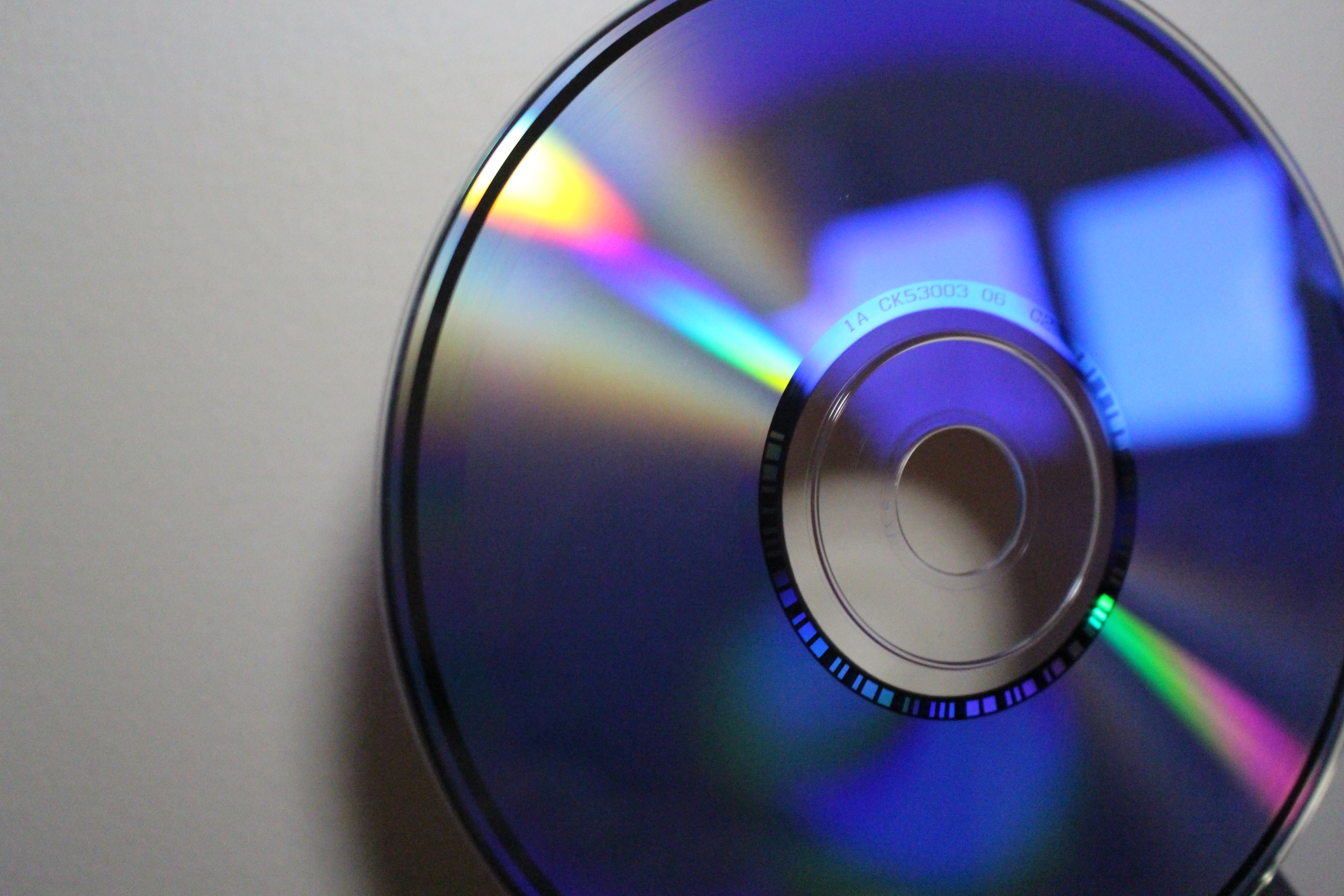

According to an Axios article, Gen Z is bringing back CDs and vinyl. These mediums are coming back to such an extent that some artists are even skipping streaming to do physical medium-exclusive albums. The jazz vocalist Emmaline is releasing her new album “The Two of Us” in limited releases of CD and vinyl. According to the U.S. Music Revenue Database, after a peak of over 50% in the 1970s, Vinyl fell to account for as low as 0.2% in 2000. Since then, it has surged to 7% in 2022. This means that vinyl went dormant for over 20 years.
The following are some perks of collecting physical media: CDs help bridge a generational divide – especially between Gen Z and their parents. Physical formats are a more ethical medium. Physical media also has a special feeling for the listener that makes the music feel more authentic.
Zach Boni is a senior computer engineering major who collects vinyl records and spoke about two of these main themes. On the aesthetic of physical formats: “It’s more of a fun thing just to collect and experience the aesthetic of these records. Vinyl is also really cool when you think about how it works because the sound is encoded into the vinyl via grooves that vibrate the stylus.” He has also commented on the ethics of these physical formats: “It’s a good way to support smaller bands that you listen to because they make very little money from Spotify and other streaming services.”
Artists often are not compensated well for their music. According to USA Today, artists only made 12% of their earned revenue in the music industry in 2018. According to the Streaming Royalty Calculator, streaming revenue on Spotify may amount to only $3.18 per 1000 listens. This is especially important for small independent artists who do not have a record label behind them to make ends meet. Startup costs for making music can often be high including the need for DAW software, instruments, recording equipment, or time in studios, these high costs make creating music a large financial risk for prospective artists.
Physical music forms a special relationship between the listener and the artist. Not only because of the increased share of revenue going towards the audience but also because of the extra care given to physical mediums. According to Zach, “Oftentimes there will be cool artwork, posters, and books included with the vinyl.”
Kieron “ KJ” Durand, a history major at ONU, also spoke on the special experience of CDs: “I started getting CDs because it’s more special to listen to. I own a piece of media that I can never lose access to and that is purely that artist’s work. It’s a little piece of something that has changed a lot of people, and it means I supported them best I can.”
CDs can often bridge generational divides, especially since the parents of Gen Z are Gen X. Gen X grew up when vinyl and CDs were at their peak. Now, retro music stores feature a lot of 80s Rock and Roll by artists like Billy Joel and Styx. Ada itself has a retro music store near the Community Market – appropriately called “Retro Music.”
A concert is different from a recording of a concert. The way the recording was done can further affect the experience of the music. In its theatrical productions, “Phantom of the Opera” creates a physical feeling for the audience that cannot be replicated in any other format.
Vinyl is less removed than other formats from the physical experience of music. Since vinyl is played through a physical object, certain extra sounds help to create the environment of the music: the sound of the record player itself as the stylus makes contact with the record. As we moved to other mediums of consuming music, the way we experience it has also fundamentally changed. Today, much of the music is consumed in earbuds. This can move music’s experience away from a full-body one, to an experience between your ears. People now discreetly listen to music rather than making the act of doing so a community activity.
The medium the music is in can also affect how the music is composed. Artists like Billy Joel are known for their ability to write an album that is meant to hold together as a cohesive composition. The emergence of short-form content on TikTok and YouTube incentivizes artists to tailor their art to the medium as well. Songs are often built to create a short 10-second snippet to go viral – as opposed to creating a broader narrative and story in the way albums like “The Stranger” or “Kilroy Returns.” This can reduce the complexity of music and restrict the ability of an artist to use their art as a way to communicate a narrative.
Whether in the concert hall or inside of your ears, music is an experiential art. The way you experience music can greatly affect the way you let the music affect you. While modern earbuds make for a convenient listening experience, older mediums can offer a more full, immersive, and rich listening experience.