

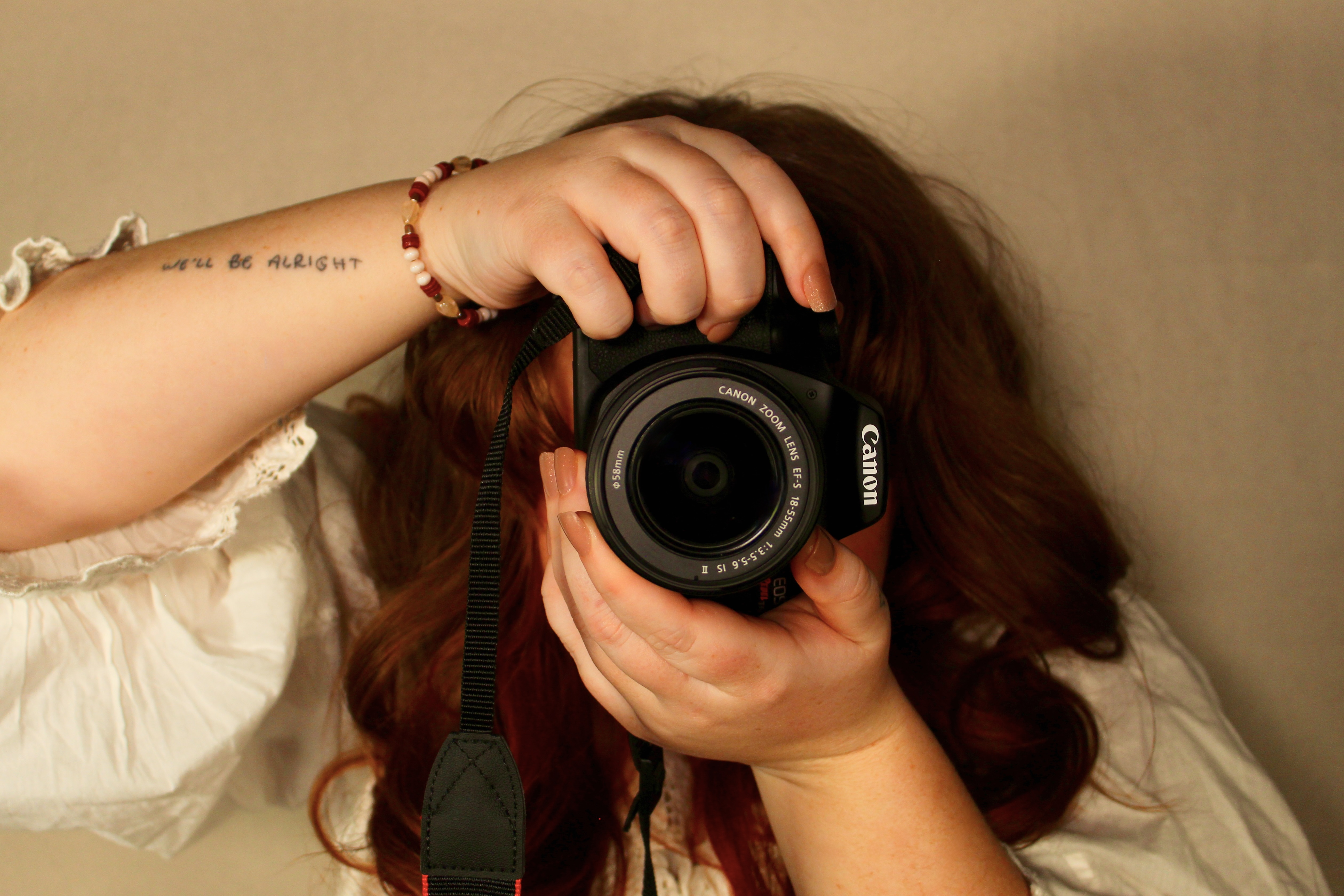

Photography is a luxury we take for granted in 2026.
Hear me out.
Images preserve moments in time for an eternity. Some of the most precious memories we experience can be captured through a camera lens, waiting to be cherished throughout time. With the press of a button, you have the power to document history with more ease than ever before.
Taking photos was not always so simple, though. The complex cameras of the 19th century were not accessible or affordable for most families of the time. As technology evolved, photography slowly became more mainstream thanks to film, polaroid, and digital cameras.
Flash forward to 2026, and we have access to perhaps the most accessible cameras to ever exist: smartphones. My generation often fails to appreciate the convenience of these devices. The seemingly endless storage, built-in editing tools, and efficient sharing capabilities are a few of the many luxuries we tend to overlook when using our digital devices.
In an age where anyone can take photos, I find myself asking what the art of photography means today. Has the cultural importance of visual storytelling shifted over time, and if so, how does that impact the perception of professional and student photographers?
Let me give you some backstory to better understand where my questions come from.
I have always possessed a deep passion for photography. My fascination began a few years ago when I discovered weathered photos of my great-grandparents tucked away in storage. Even though my beloved ancestors were long gone, their memories were carefully preserved on tiny slips of paper: the home they built, friendships they shared, weddings they celebrated, and more. I never met my great-grandparents, but my heart swelled with warmth and nostalgia as I caught brief glimpses into their lives.
That transformative experience was the inspiration I needed to become a dedicated photographer. Sure, I was the designated picture-taker at family gatherings and school functions, but something in me longed for more purpose in my work. I spent years learning the complexities of my DSLR camera and developing my personal editing style. Constant practice led me to photographing once-in-a-lifetime moments in college, forever documenting unprecedented athletic moments, cherished campus traditions, and heartfelt student activities at Ohio Northern University.
Student photography ignited my drive for storytelling in an unforeseen way. No longer am I limited to the words on a page, for I can now bring stories to life through compelling visuals and resonate imagery. College gave me the space and opportunities I needed to develop those skills.
Looking back as a senior, I often wonder what the future holds for student photography at ONU. Many of my peers have pursued photography outside academics, and I often run into them at campus events or stumble upon their social media portfolios. Their work clearly demonstrates talent, though I cannot help but consider what the digital age has in store for them.
College students are more than capable of taking their own pictures with smartphones. This brings us back to the question: If students are documenting their ONU experiences, what value does student photography have on campus?
My goal is to investigate the significance of student photography on campus this semester. Join me in a thrilling examination of how technology has shaped student culture and our perception of visual storytelling.