

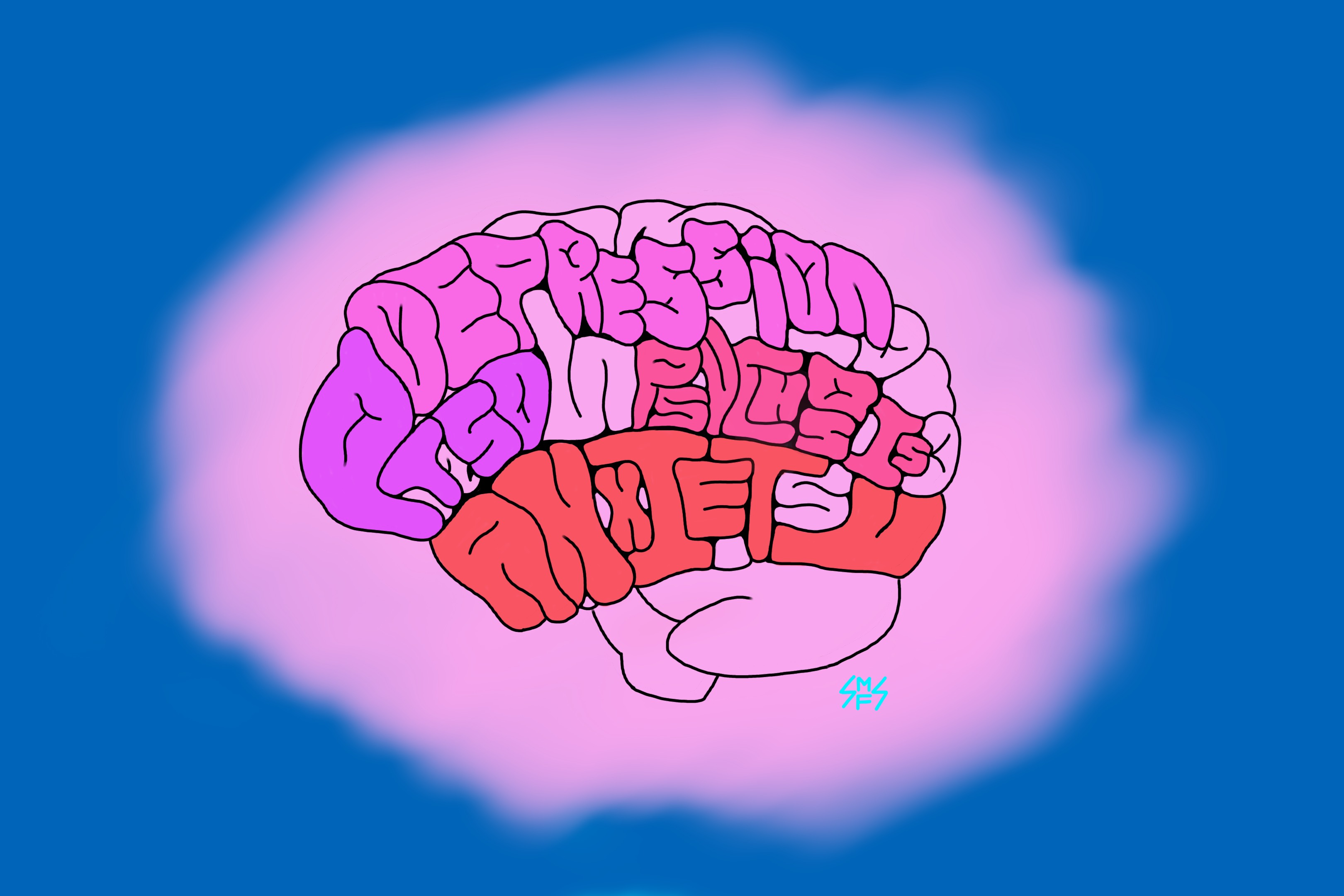

There’s help out there in a moment’s notice by dialing 988.
Former executive director of Prevention Awareness Support Services and current Mental Health First Aid trainer, Donna Dickman
On November 16, Polar Health Club invited the student body to attend a Mental Health First Aid (MHFA) training.
This training, first created in Australia by Betty Kitchener and Anthony Jorm in 2001 as stated on the official MHFA webpage, is offered across the United States by the National Council for Mental Wellbeing, a 501(c)(3) nonprofit organization. The Allen-Auglaize-Harden Mental Health and Recovery Services Board in Lima, Ohio contracts Prevention Awareness Support Services (PASS) to provide these trainings to companies, organizations, and other groups in the area who schedule them, according to former executive director of PASS Donna Dickman.
PASS is funded by several other boards too. According to Dickman, five separate Mental Health and Recovery Services Boards fund the organization, including Mercer Van Wert and Paulding, Allen-Auglaize-Harden, Union County, Delaware and Morrow County, and Champaign-Logan County.
“They tell us what kind of prevention work and postvention work they need done and we fill that,” says Dickman.
Though they come to Ohio Northern University two or three times a year and have been for at least five years for a project the pharmacy students have been conducting according to Dickman, it is unclear whether students will have another opportunity to sign up for the training. That being said, MHFA gives advice on handling a wide range of mental health situations ranging from everyday vocabulary to crisis response.
One of the first topics covered during the training was self-help. Creating a plan to cope with future events, keeping ties with your community, and recognizing when you might need professional help are all important things to keep in mind when cultivating a healthy mindset and taking care of your own mental health. This is a necessary prelude to helping other people.
The first step in helping individuals with mental health challenges is recognizing those who may be struggling. Many signs of mental health challenges are somewhat common knowledge. A change in behavior that lasts a significant amount of time, injuries that continually appear without explanation, or even the more abrupt out-of-character moments may be signs of a struggle. While the individual may not necessarily be suffering from a mental health challenge, acting on these signs is the best way to intervene early in any developing mental disorders.
It should be noted that knowing the signs and symptoms of various mental disorders does not qualify someone to diagnose mental illness or offer professional-grade care. There are still ways to help, however.
Another crucial habit explored throughout the training is avoiding stigma. Though the everyday vocabulary surrounding mental health has grown a significant amount and become increasingly tactful over the past few decades, there is still a mound of stigma surrounding mental health challenges.
On page fifteen of the official Mental Health First Aid USA Adult Manual 2.0, published by the National Council for Mental Wellbeing and given to all trainees, “Stigma surrounding mental illness can lead to people being excluded from jobs, housing, social activities, and relationships. Additionally, people with mental health challenges can begin to believe the negative things that others say about them.”
For that reason, the MHFA training addresses several ways we might be perpetuating problematic language when we talk about mental health and how to remedy it.
Instead of saying someone “is depressed,” saying they “have depression” is more accurate and productive; one term is a state of mind while the other is an ongoing illness the individual is fighting against. Instead of labeling someone as an “addict”– a term with a certain shame and judgment attached –saying they have a substance-use disorder can make a significant difference in how one is viewed. Being careful in how we speak of mental health challenges and those who struggle with them can help reduce the public stigma surrounding the challenges, a very necessary step in continuing to push support for them into the mainstream.
The ALGEE strategy is MHFA’s central lesson: Assess for risk, Listen non-judgmentally, Give reassurance and information, Encourage professional help, and Encourage self-help.

ALGEE is a non-linear model for interacting with individuals facing mental health challenges. Each step in ALGEE can be used independently and as needed (Northern Review Illustration/Sam Schneider)
It is also important to maintain confidentiality with those experiencing mental health challenges unless they are in a crisis situation. Call 911 immediately if the individual poses a threat to themselves or others. You can also call 988 to connect with a trained counselor in the area with knowledge of your local resources.
988 is the number of the Suicide and Crisis Lifeline. It acts as a text and call line for substance use, depression, anxiety, and suicide prevention, crisis or otherwise, and is managed by trained counselors. You can also find information on their website: 988lifeline.org.
Escalation should be avoided, even in times of crisis. Threatening or acting aggressively may create chaos. Remaining calm and talking calmly are good ways to de-escalate the situation. Leave the room to call 911 if necessary; however, if someone threatens suicide, it is important to keep them in your sights at all times until professional support arrives.
If circumstances become too much for you to handle, whether that be as simple as a conversation or as intense a crisis, you are encouraged to seek out someone more qualified to handle the situation, especially if you feel unsafe.
If you believe someone you know is struggling with a mental health challenge, you can contact Ohio Northern University’s care team through their website, which also lists other resources available to students.
”I think that’s one of the most important things we all need to recognize,” says Donna Dickman. “There’s help out there in a moment’s notice by dialing 988.”
Whether it be a trip to the counseling center here on campus, a support group, or a hotline, there are resources available to everyone, no matter your financial status, identity, or other factor that may be keeping you from seeking it out.
If you need help, talk to someone.